
Introduction
Most busy professionals don’t feel “burnt out” all at once.
It usually starts with small things.
You wake up already tired. Your mind feels cluttered before work even begins. Simple decisions take more effort. By evening, you’re physically free but mentally exhausted.
You might still be doing your job well. Deadlines are met. Meetings are attended. On the outside, everything looks fine.
But inside, focus feels fragile. Motivation comes and goes. And even during free time, your mind refuses to fully switch off.
This is where the idea of mental fitness often comes in — not as therapy, not as a medical concept, but as a practical way to support everyday thinking, focus, and balance for people with busy schedules.
What Mental Fitness Really Means (In Simple Terms)

Mental fitness is about how well your mind handles daily life.
Just like physical fitness helps your body manage movement, energy, and recovery, mental fitness helps your mind manage:
- Attention
- Stress
- Decision-making
- Emotional reactions
- Mental energy throughout the day
For busy professionals, mental fitness doesn’t mean being calm all the time or never feeling stressed.
It simply means your mind is better prepared to handle pressure, interruptions, and long workdays without constantly feeling drained.
Mental fitness for busy professionals focuses on small habits and routines that support mental clarity, rather than trying to completely eliminate stress.
Why Mental Fitness Habits Actually Work

Mental fitness habits work because the brain responds well to consistency and simplicity.
When your days are unpredictable, your mind looks for patterns. Even small routines can provide a sense of control and stability.
For example:
- Short pauses help your brain reset attention
- Predictable routines reduce decision fatigue
- Clear boundaries help limit mental overload
- Simple reflection improves awareness of stress patterns
These habits often help because they reduce mental noise, not because they force motivation.
Mental fitness isn’t about pushing harder. It’s about creating conditions where your mind can function with less friction.
From Real-Life Experience

In real life, most professionals don’t struggle because they lack discipline.
They struggle because their minds are always “on.”
Emails before breakfast. Notifications during meetings. Work thoughts following them home.
What often makes a difference isn’t doing more, but doing slightly less — more intentionally.
People who appear mentally steady usually aren’t stress-free. They’ve just learned how to:
- Pause before reacting
- Set mental boundaries around work
- Accept imperfect days without overthinking them
- Create short recovery moments during the day
Mental fitness grows quietly. You often notice it only when things feel less overwhelming than before.
Common Misconceptions About Mental Fitness

One common mistake is thinking mental fitness means constant positivity.
Another is assuming it requires extra time or strict routines.
Some people wait for stress to disappear before starting — which rarely happens.
Mental fitness isn’t all-or-nothing. Missing a day doesn’t erase progress. Consistency matters far more than perfection.
How Mental Fitness Shows Up in Everyday Life

In the morning
A quiet start or choosing one clear priority can help your mind feel directed.
During work
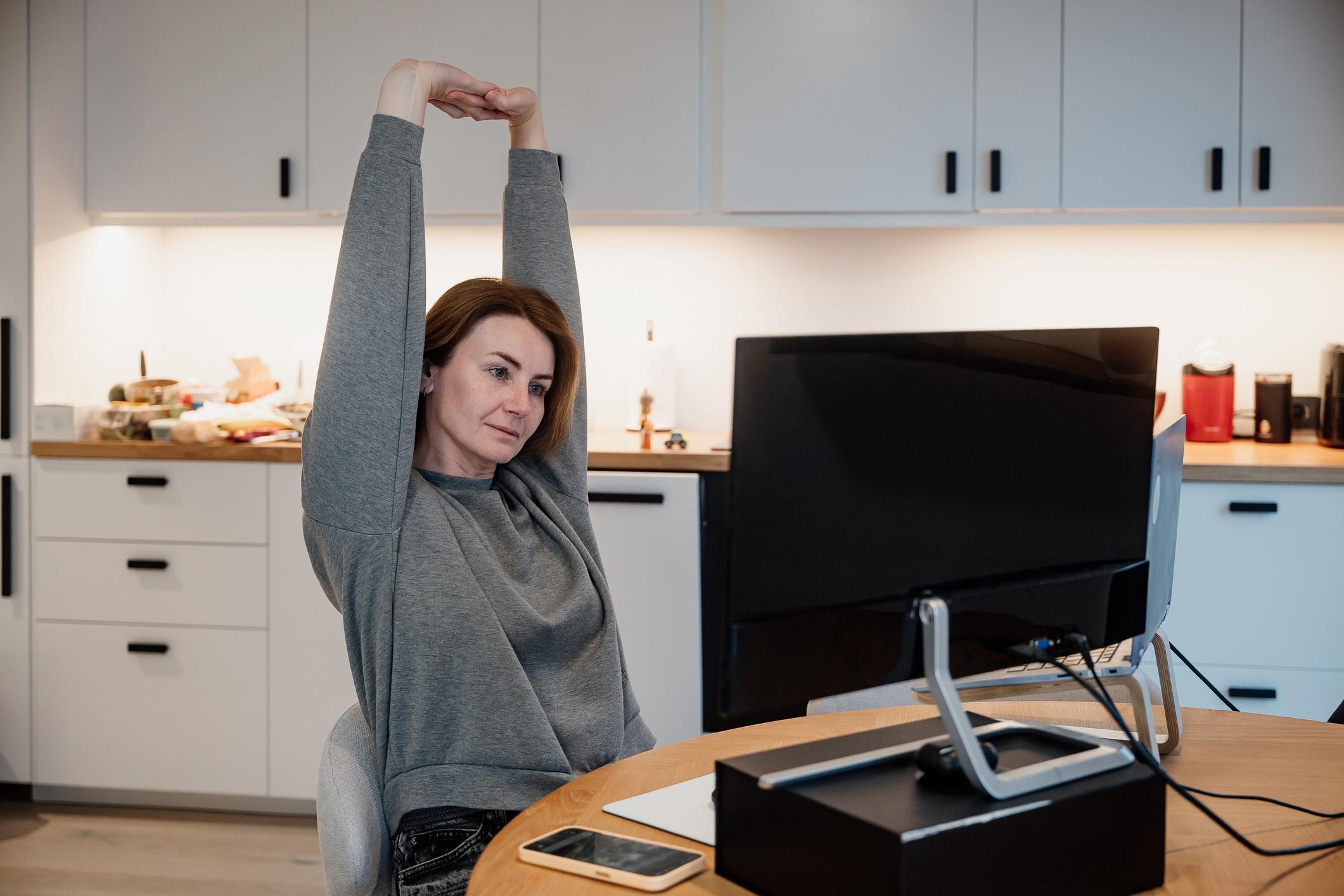
Short pauses often support focus better than pushing nonstop.
In the evening
A simple end-of-work ritual can help your mind shift out of work mode.
On stressful days
Noticing stress without fighting it may reduce how strongly it affects you.
Related Reads on GetFitLifePro
You may also find these articles helpful:
These topics connect closely with mental well-being, routines, and sustainable productivity.
Optional Simple Habits That May Help

Mental fitness doesn’t require tools or apps.
Some simple habits that often help include:
- Writing a short 3-item task list
- Taking brief screen-free pauses
- A quick end-of-day reflection
- Keeping sleep and wake times consistent when possible
Even one habit can make days feel lighter.
Frequently Asked Questions
Is mental fitness the same as mental health?
Not exactly. Mental fitness focuses on everyday habits and mindset, not diagnosis or treatment.
Can mental fitness help with productivity?
It often helps indirectly by improving focus, clarity, and decision-making.
Do I need to meditate daily?
No. Meditation helps some people, but mental fitness can be built in many ways.
Is mental fitness useful even on calm days?
Yes. Calm days are often the best time to build habits that help during stressful ones.
A Calm Note to End On

Mental fitness for busy professionals isn’t about fixing yourself.
It’s about supporting your mind in a world that constantly demands attention.
Small, consistent habits can help your mind feel steadier over time.
If all you do today is slow down for one moment — that already counts.

Pingback: How to Design a Healthy Lifestyle as a Beginner (Without Feeling Overwhelmed)
Pingback: Simple Nutrition Tips for Beginners (That Actually Fit Real Life)
Pingback: A Simple Daily Routine for Busy Professionals (A Practical Framework for Focus, Energy, and Work-Life Balance)