
Introduction
When people think about a “healthy lifestyle,” they often imagine waking up early, eating perfectly, exercising daily, and feeling motivated all the time.
For beginners, that picture can feel intimidating.
You might want more energy, better focus, or fewer unhealthy habits — but you’re not sure where to start. Every article seems to suggest doing everything at once.
So most people do nothing.
Designing a healthy lifestyle as a beginner isn’t about transforming your life overnight. It’s about making small, realistic changes that fit into your current routine — not fight against it.
What a Healthy Lifestyle Really Means for Beginners
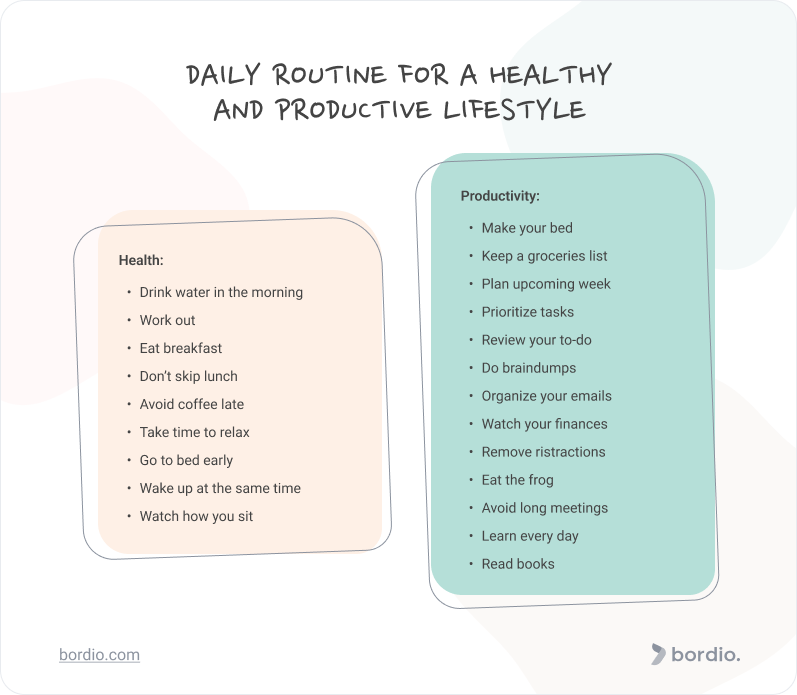
A healthy lifestyle for beginners is not a strict plan or a perfect routine.
It’s a personal system that supports:
- Daily energy
- Basic physical movement
- Mental clarity
- Better habits over time
For beginners, a healthy lifestyle should feel supportive, not restrictive.
It doesn’t require special diets, intense workouts, or strict schedules. Instead, it focuses on simple healthy habits that you can repeat most days without stress.
The goal isn’t to be “healthy” all the time — it’s to make healthier choices more often than before.
Why Lifestyle Design Works Better Than Willpower

Many beginners rely on motivation to build a healthy lifestyle.
Motivation comes and goes. Design stays.
Lifestyle design works because it reduces decision-making. When your environment and routine support healthy choices, you don’t have to force yourself every day.
For example:
- Keeping simple food options nearby reduces overeating
- Scheduling short walks makes movement easier
- Fixed sleep times reduce late-night scrolling
- Clear routines lower mental resistance
This is why building a healthy lifestyle step by step often works better than sudden, intense changes.
From Real-Life Experience

Most people who succeed with a healthy lifestyle didn’t start perfectly.
They started inconsistently.
Some days they ate better. Some days they didn’t. Some weeks they exercised. Some weeks they skipped.
What helped wasn’t discipline — it was forgiveness and adjustment.
Beginners who last tend to stop asking, “Am I doing this right?”
They start asking, “Can I do this again tomorrow?”
That mindset makes healthy habits sustainable.
Common Beginner Mistakes to Avoid

One common mistake is trying to change everything at once.
Another is copying someone else’s routine without considering personal energy, schedule, or preferences.
Some beginners think missing one day means failure — which often leads to quitting completely.
A healthy lifestyle isn’t fragile. It doesn’t break because of one bad meal or skipped workout.
Progress comes from returning, not restarting.
How a Healthy Lifestyle Fits Into Everyday Life

Mornings
A consistent wake-up time and a few minutes of movement can help start the day smoothly.
During the day
Simple meals and short walks often help energy more than extreme changes.
Evenings
Reducing screen time slightly and having a calming routine may improve sleep quality.
Busy days
Doing less — but doing it consistently — often works better than skipping everything.
Related Reads on GetFitLifePro
If you’re building a healthy daily routine for beginners, these articles may help:
- Beginner-Friendly 7 Minute workout
- Staying consistent with your workouts
- What mental wellbeing mean for working professionals
Together, these topics support long-term lifestyle design for beginners.
To explore more on this topic refer :https://medium.com/@imedwme/exploring-the-art-of-lifestyle-design-beyond-the-rat-race-ada29841f71
Optional Simple Habits to Start With

You don’t need a full plan to begin.
A few simple healthy habits for beginners include:
- Drinking water regularly
- Moving your body for 10–15 minutes
- Eating one balanced meal daily
- Going to bed at a similar time
Pick one habit, practice it for a week, then add another.
Frequently Asked Questions
How long does it take to build a healthy lifestyle?
There’s no fixed timeline. Most people notice small improvements within a few weeks of consistency.
Do I need to exercise every day?
No. Even light movement a few times a week can help beginners.
Is it okay to start slow?
Starting slow often leads to better long-term results.
What if I lose motivation?
That’s normal. Design your habits so they work even without motivation.
A Calm, Supportive Conclusion

Designing a healthy lifestyle as a beginner isn’t about becoming a new person.
It’s about supporting the person you already are.
Small habits, repeated consistently, can help create real change over time.
You don’t need perfection.
You don’t need urgency.
You just need a starting point — and the patience to keep going.

Pingback: Simple Nutrition Tips for Beginners (That Actually Fit Real Life)
Pingback: A Simple Daily Routine for Busy Professionals (A Practical Framework for Focus, Energy, and Work-Life Balance)