Introduction: Why Motivation Isn’t the Real Problem
Most people don’t fail at fitness because they’re lazy.
They fail because life gets busy.
Work runs late. Energy drops. Motivation disappears. A few missed days turn into weeks, and suddenly exercise feels awkward to restart.
If you’ve ever said:
- “I start strong, then stop”
- “I just can’t stay consistent”
- “I know what to do, but I don’t do it”
You’re not broken. You’re human.
Learning how to build a workout habit that sticks isn’t about willpower. It’s about creating a routine that fits your real life — not an ideal one.
What a “Workout Habit” Actually Means

A workout habit doesn’t mean:
- Exercising every day
- Feeling motivated all the time
- Never missing a session
A real exercise habit for beginners means:
- You return to exercise even after breaks
- You don’t overthink starting
- You adjust instead of quitting
Habits are about repeatability, not perfection.
If a routine only works on high-energy days, it’s not a habit yet.
Why Most Workout Habits Don’t Stick

Understanding why habits fail helps you build better ones.
Common reasons beginners struggle:
- Starting too big
- Depending on motivation
- Using guilt as fuel
- Copying advanced routines
- Treating missed days as failure
The fix isn’t more discipline.
It’s simpler systems.
Practical Tips That Actually Help Build a Workout Habit (With Reasons)
1. Start Smaller Than Feels Logical
Most beginners start with:
- Long workouts
- Daily schedules
- High expectations
That feels productive — but it’s fragile.
Why starting small works:
- Lowers mental resistance
- Makes starting easier
- Reduces fear of failure
A 10-minute workout done regularly beats a 45-minute workout done once.
This is the foundation of workout habits for beginners.
2. Choose Consistency Over Intensity
Intensity feels satisfying short-term.
Consistency works long-term.
Why consistency wins:
- Habits form through repetition
- The brain learns patterns, not effort
- Lower intensity = easier recovery
If you want fitness habits that last, keep workouts repeatable, not exhausting.
3. Attach Workouts to an Existing Routine
Habits stick better when they’re linked.
Examples:
- After brushing teeth → stretch
- After work → short workout
- Before shower → movement
Why this works:
- Reduces decision-making
- Uses existing routines as triggers
- Makes exercise automatic
This is a powerful way to build a workout habit without motivation.
4. Define the “Minimum Version”
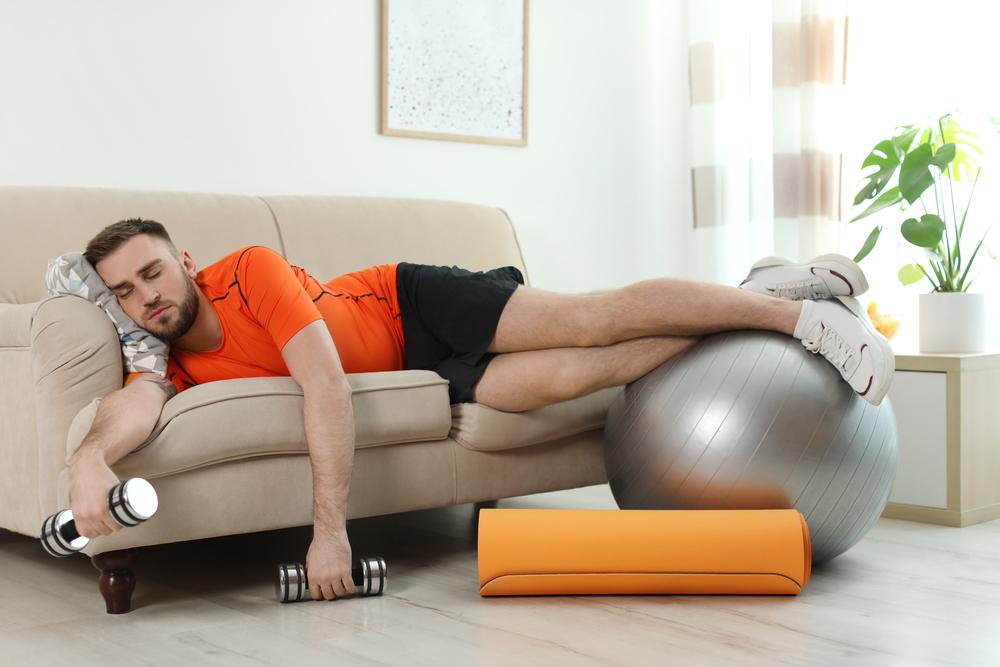
On low-energy days, ask:
“What’s the smallest version I can still do?”
Examples:
- 5 minutes of movement
- One exercise
- Stretching only
Why this helps:
- Prevents all-or-nothing thinking
- Keeps the habit alive
- Reduces guilt
This is one of the most effective workout consistency tips for busy people.
5. Remove Friction, Not Add Pressure
Ask:
- Can I do this without changing clothes?
- Can I do this at home?
- Can I start in under 2 minutes?
Why friction matters:
- The brain avoids effort before effort
- Small barriers cause skipped workouts
The easier it is to start, the more likely you’ll continue.
From Real Beginner Experience
Many beginners don’t quit fitness intentionally.
They miss a few days.
Then a week.
Then restarting feels uncomfortable.
What usually helps isn’t motivation — it’s permission to restart small.
People who stick with exercise often:
- Lower expectations
- Repeat simple routines
- Stop punishing missed days
Some weeks look great. Some don’t.
The habit survives because the pressure stays low.
Common Mistakes Beginners Make When Building Workout Habits
Mistake 1: Waiting to Feel Motivated
Motivation is unreliable.
Better approach:
Start with action, even when motivation is low.
Mistake 2: Making Up Missed Workouts
Trying to “catch up” leads to burnout.
Better approach:
Resume your normal routine calmly.
Mistake 3: Choosing Workouts You Don’t Enjoy
Disliking your routine makes consistency harder.
Better approach:
Choose exercises you tolerate or mildly enjoy.
Mistake 4: Expecting Fast Results
Habits grow quietly.
Better approach:
Measure success by consistency, not appearance.
Simple Real-Life Scenarios

Busy Office Worker
After a long day, a short home workout feels doable. The habit sticks because it doesn’t demand too much.
Busy Mornings
Instead of skipping exercise, a 7-minute routine fits between tasks.
Low-Motivation Days
Doing the minimum keeps momentum alive.
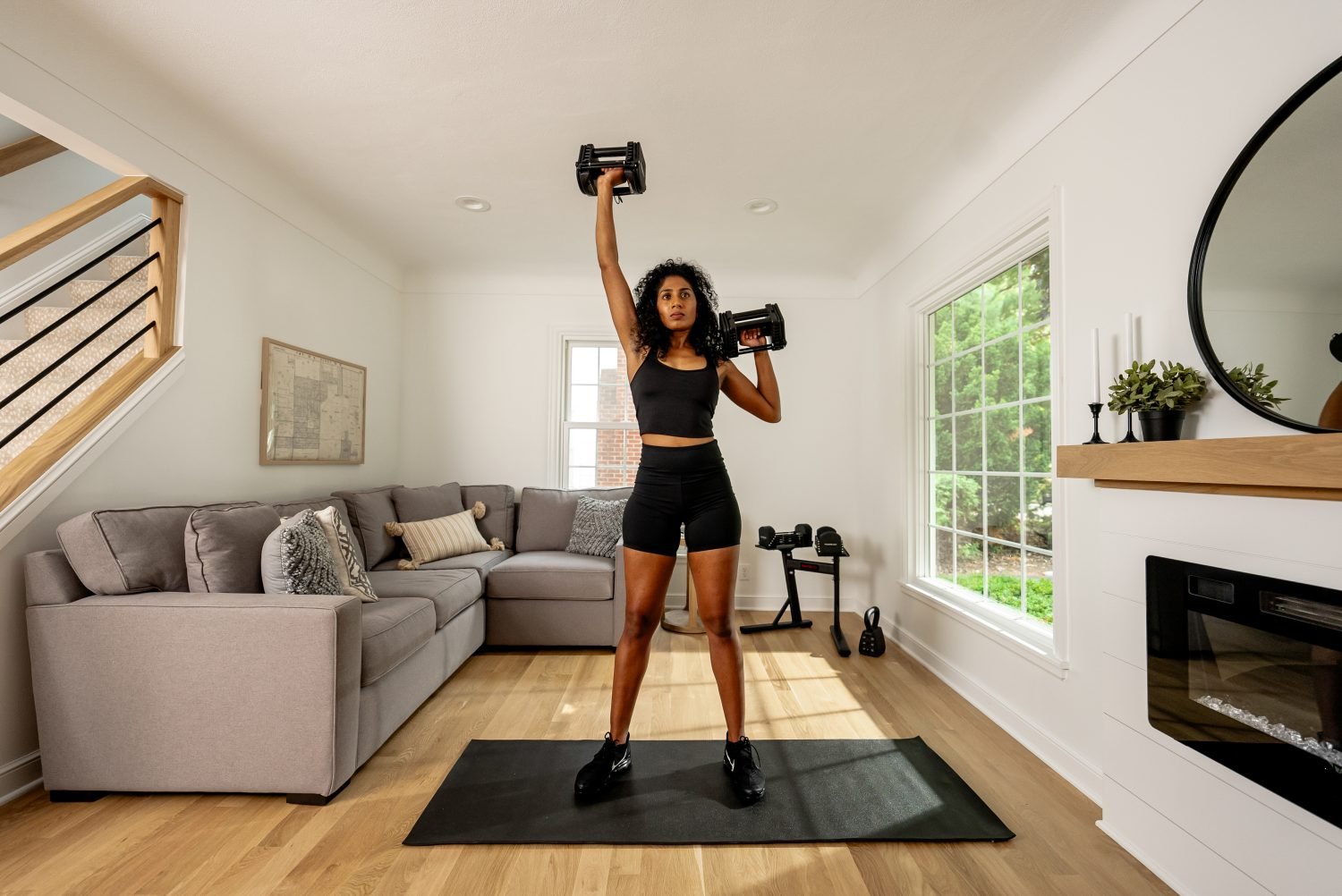
Small Home Space
Simple bodyweight workouts remove excuses and setup time.
Related Reads on GetFitLifePro
If you’re working on healthy eating for beginners, you may also find these helpful:
- How to Design a Healthy Lifestyle as a Beginner
- Beginner-Friendly Daily Habits That Support Energy After Office Hours
- What Mental Wellbeing mean for You?
These topics support long-term healthy habits without pressure.
To explore check out:https://medium.com/@socialsbyfitwithbravo/4-easy-ways-to-build-a-workout-habit-that-actually-sticks
Optional Helpful Gear (Only If It Truly Helps)
You don’t need equipment to build a habit.
Some beginners find these helpful:
1. Yoga Mat
Provides comfort and grip during floor exercises.
👉 [Amazon Affiliate Link – Yoga Mat]2. Resistance Bands
Beginner-friendly and easy to store.
👉 [Amazon Affiliate Link – Resistance Bands]3. Adjustable Dumbbells
Useful when you’re ready to progress slowly.
👉 [Amazon Affiliate Link – Adjustable Dumbbells]4. Fitness Timer or App
Helps track time and rest intervals.
👉 [Amazon Affiliate Link – Time Blocking Timer]
Use gear only if it makes starting easier — not more complicated.
FAQ: Real Beginner Questions
How long does it take to build a workout habit?
There’s no fixed timeline. Most people notice habits forming over several weeks of consistency.
What if I miss a whole week?
That’s normal. Restart with a smaller version and continue.
Do I need to work out every day?
No. 3–5 days per week works well for most beginners.
Is it okay to change routines often?
Yes, but consistency matters more than variety early on.
Conclusion: Build a Habit You Can Return To
Learning how to build a workout habit that sticks isn’t about pushing harder.
It’s about:
- Starting smaller
- Reducing pressure
- Returning calmly after breaks
Some days you’ll feel motivated.
Some days you won’t.
The habit sticks when exercise feels approachable, not demanding.
Focus on what you can repeat — even on busy, tired days.
That’s how fitness becomes part of your life, not another task you avoid.