Introduction
Starting a fitness routine can feel confusing, especially if you’re a beginner with a busy schedule. Gym memberships can be expensive, time-consuming, and sometimes intimidating. That’s why home workouts for beginners have become so popular — especially among office workers and professionals in India.
The good news? You don’t need fancy equipment, a big space, or previous experience to start exercising at home. With the right approach, even 10–20 minutes a day can help you build a healthy habit.
This complete guide is designed to help beginners understand how to work out at home safely, confidently, and consistently, without pressure or unrealistic expectations.
What Are Home Workouts for Beginners? (Simple Explanation)
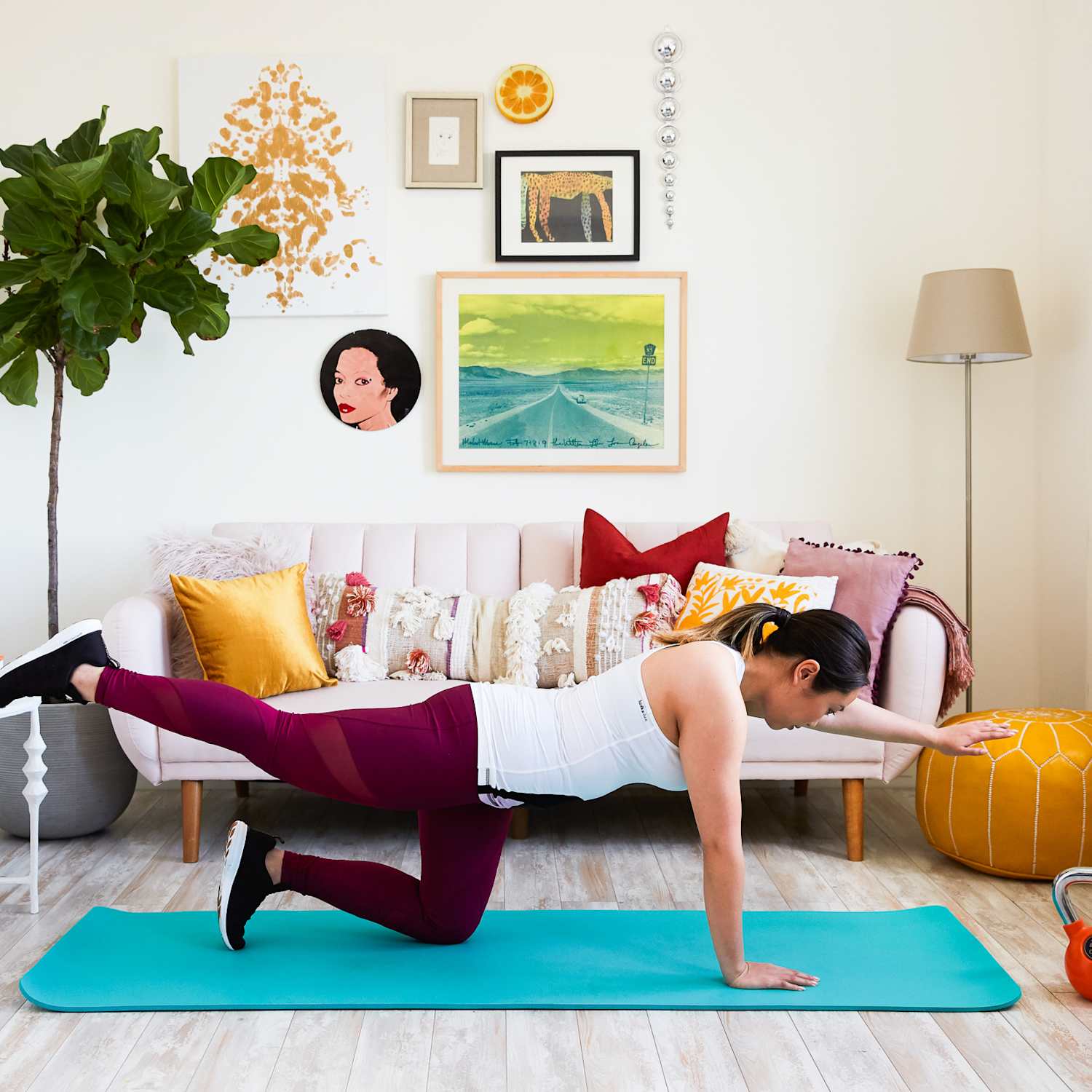
Home workouts for beginners are basic exercise routines that can be done at home, using your body weight or minimal equipment. They focus on simple movements that help your body move better, feel stronger, and stay active.
A beginner home workout usually includes:
- Easy bodyweight exercises
- Short workout duration
- Low-impact movements
- Simple routines that are easy to follow
The goal is not to push your limits, but to build consistency and confidence.
For most people, a home workout routine is easier to stick with than going to the gym — especially when starting out.
Benefits of Home Workouts for Beginners
Exercising at home offers several practical benefits, especially for beginners.
- Can help build a regular fitness habit
- Saves time and travel effort
- No gym anxiety or comparison
- Can be done at your own pace
- Supports flexibility in daily routine
- May improve strength, mobility, and energy
- Easy to adjust based on your fitness level
For many people, exercise at home for beginners feels more comfortable and realistic.

Common Beginner Mistakes to Avoid
Many beginners quit early because they make simple but avoidable mistakes.
Here are some things to watch out for:
- Doing too much too soon
- Following advanced workouts online
- Skipping warm-ups and stretching
- Expecting quick results
- Exercising inconsistently
- Ignoring body discomfort or fatigue
A beginner fitness routine should feel manageable. If it feels exhausting or painful, it’s likely too intense.
Why Home Workouts Are Ideal for Beginners
1. Comfort & Privacy
You can exercise without feeling judged or rushed.
2. Flexible Timing
Morning, evening, or anytime that fits your schedule.
3. No Equipment Needed
Many no equipment home workouts are highly effective for beginners.
4. Easier Consistency
Removing travel and setup makes it easier to stay regular.
How to Start Home Workouts for Beginners (Step-by-Step)
Step 1: Start Small
Begin with just 10–15 minutes per session. Short workouts reduce mental resistance.
Step 2: Focus on Basic Movements
Choose simple exercises like squats, stretches, and light cardio.
Step 3: Fix a Routine
Pick 3–4 days per week and stick to those days.
Step 4: Wear Comfortable Clothes
You don’t need special gear — just clothes you can move in.

Best Types of Home Workouts for Beginners
1. Bodyweight Strength Exercises
These help build strength using your own body weight.
Examples:
- Squats
- Wall push-ups
- Lunges
- Glute bridges
2. Low-Impact Cardio
Helps improve movement and stamina without stressing joints.
Examples:
- Marching in place
- Brisk walking indoors
- Step touches
3. Stretching & Mobility
Important for flexibility and reducing stiffness.
Examples:
- Neck stretches
- Hamstring stretches
- Hip openers
An effective home workout routine combines all three.
No Equipment Home Workout (Beginner Sample Routine)
Duration: 15–20 minutes
Warm-up (3 minutes):
- March in place
- Arm circles
Workout:
- Squats – 10 reps
- Wall push-ups – 8–10 reps
- Glute bridges – 10 reps
- Standing knee lifts – 10 reps
Cool-down (5 minutes):
- Gentle stretching
This is a simple workout at home for beginners that can be repeated 3–4 times a week.
Home Workouts vs Gym Workouts (Beginner Comparison)
| Factor | Home Workout | Gym Workout |
|---|---|---|
| Cost | Low | Higher |
| Travel | Not needed | Required |
| Beginner comfort | High | Medium |
| Equipment | Optional | Provided |
| Flexibility | High | Fixed hours |
For most beginners, easy workouts at home are more practical.
How Often Should Beginners Work Out at Home?
- Frequency: 3–4 days per week
- Duration: 15–30 minutes
- Focus: Consistency and form
Rest days are important. Your body improves during recovery.
Practical Tips to Stay Consistent
- Set a fixed workout time
- Keep workouts short
- Prepare your space in advance
- Track progress weekly
- Don’t wait for motivation
You can also rotate routines. Try combining home workouts with lighter routines like a 7-minute full body workout for busy professionals, a 20-minute beginner HIIT workout, or a 10-minute morning workout to boost energy.
Safety Tips for Beginners
- Always warm up
- Avoid jumping movements initially
- Stop if you feel sharp pain
- Breathe normally during exercises
- Drink enough water
- Consult a professional if you have health concerns
Safety should always come first.
Helpful Home Workout Products for Beginners
These items are optional but can support your routine.
1. Yoga Mat
Provides comfort and grip during floor exercises.
👉 [Amazon Affiliate Link – Yoga Mat]
2. Resistance Bands
Beginner-friendly and easy to store.
👉 [Amazon Affiliate Link – Resistance Bands]
3. Adjustable Dumbbells
Useful when you’re ready to progress slowly.
👉 [Amazon Affiliate Link – Adjustable Dumbbells]
4. Fitness Timer or App
Helps track time and rest intervals.
👉 [Amazon Affiliate Link – Time Blocking Timer]
Remember, equipment helps — but it’s not mandatory.
Internal Resources from GetFitLifePro
You may also find these beginner-friendly guides useful:
- A quick 7-minute full body workout for busy professionals
- A 20-minute HIIT workout designed for beginners
- A 10-minute morning workout to boost energy
These routines work well alongside home workouts.
Conclusion: Start Simple, Stay Consistent
Starting home workouts for beginners doesn’t require perfection or pressure. It requires patience, consistency, and a willingness to begin.
Some days will feel easier than others — that’s completely normal. What matters is showing up regularly, even if it’s just for a few minutes.
Stay consistent, listen to your body, and focus on progress over perfection. Small steps, done regularly, can lead to meaningful change over time. 💪
Pingback: Beginner Home Workout Plan (No Equipment): A Simple, Effective Guide to Get Fit at Home