Introduction: Why Home Workouts Go Wrong (Even With Good Intentions)
Starting a home workout routine feels like a smart decision. No travel, no gym pressure, no expensive memberships.
Yet many beginners quietly struggle after the first few weeks.
They feel sore in the wrong places, lose motivation, or start skipping workouts. Some assume they’re “not built for fitness” and give up — even though the real problem isn’t effort or discipline.
From what I’ve seen, most beginners fail because of small, avoidable mistakes, not because home workouts don’t work.
This guide breaks down the most common home workout mistakes beginners make, explains why they happen, and shows how to fix them in a realistic, beginner-safe way.
Why Beginners Are More Likely to Make Workout Mistakes at Home
Home workouts remove supervision — and that’s both a benefit and a risk.
Common reasons beginners struggle:
- No trainer correcting form
- Too much conflicting online advice
- Pressure to “do it right” immediately
- Comparing themselves to advanced workouts
- Trying to compensate for missed days
Understanding this helps remove self-blame.
These mistakes are common, not personal failures.
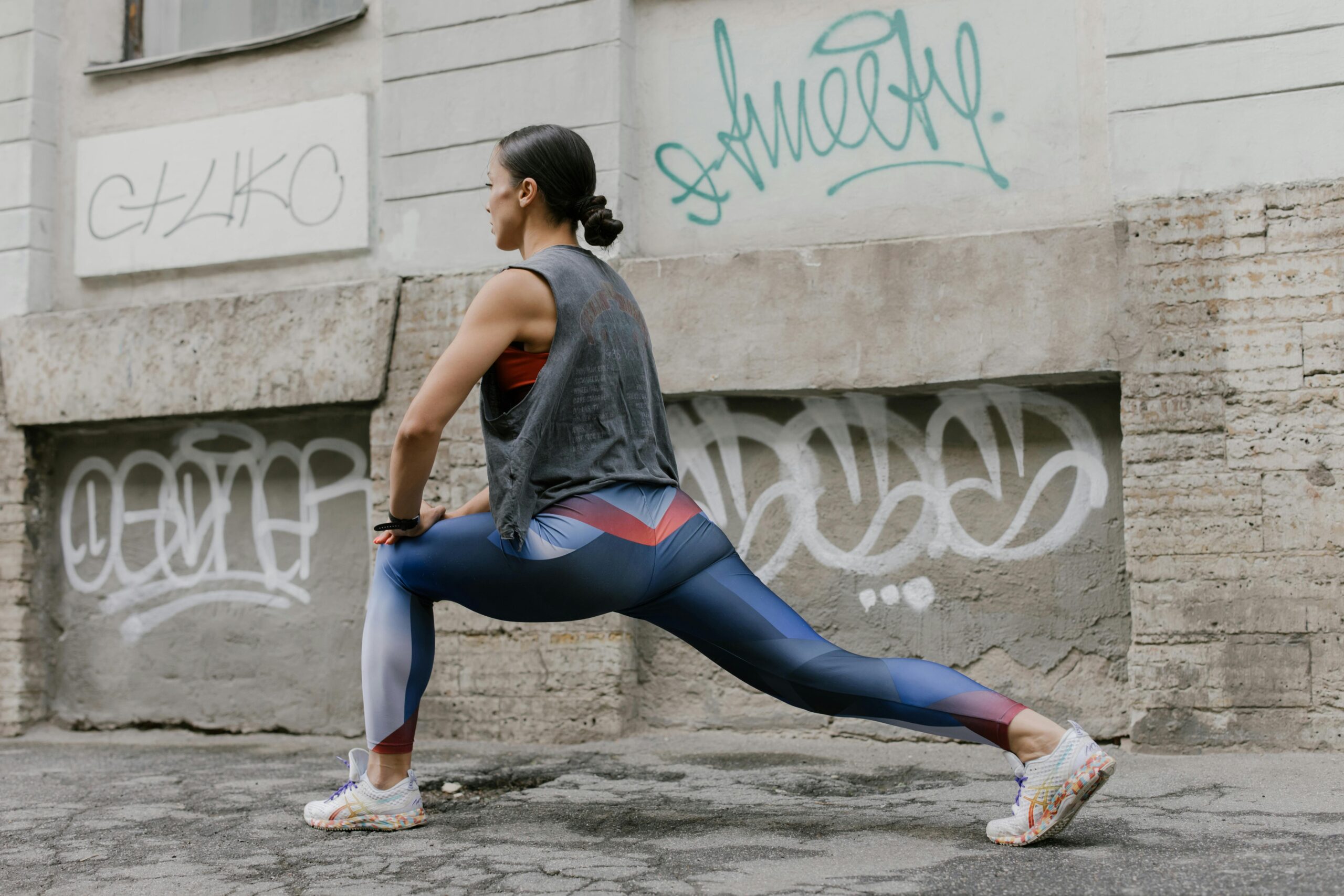
1. Skipping the Warm-Up

This is one of the most common exercise mistakes beginners make.
Why it happens
Beginners want to “save time” or jump straight into exercises.
Why it causes problems
- Stiff muscles move poorly
- Higher injury risk
- Workouts feel harder than they should
Better approach
Even 3–5 minutes of light movement (marching, arm circles) is enough.
2. Trying Advanced Exercises Too Early
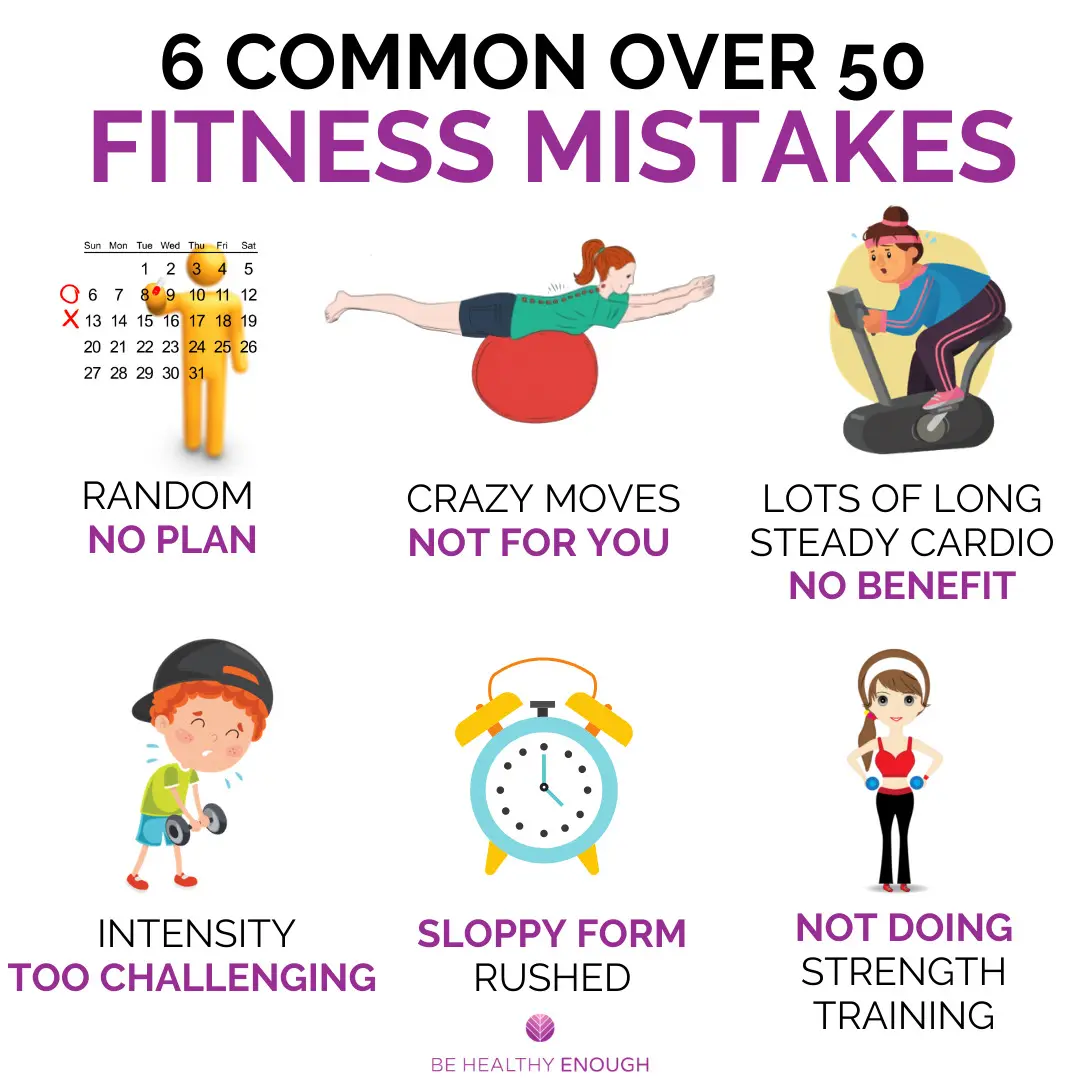
Many beginners copy workouts meant for experienced athletes.
Why it happens
- Social media influence
- Belief that harder = better
Why it backfires
- Poor form
- Discouragement
- Increased soreness
Beginner workouts should feel manageable, not overwhelming.
3. Ignoring Exercise Form
Poor form is one of the most damaging home exercise mistakes.
Common form issues
- Rounded back during squats
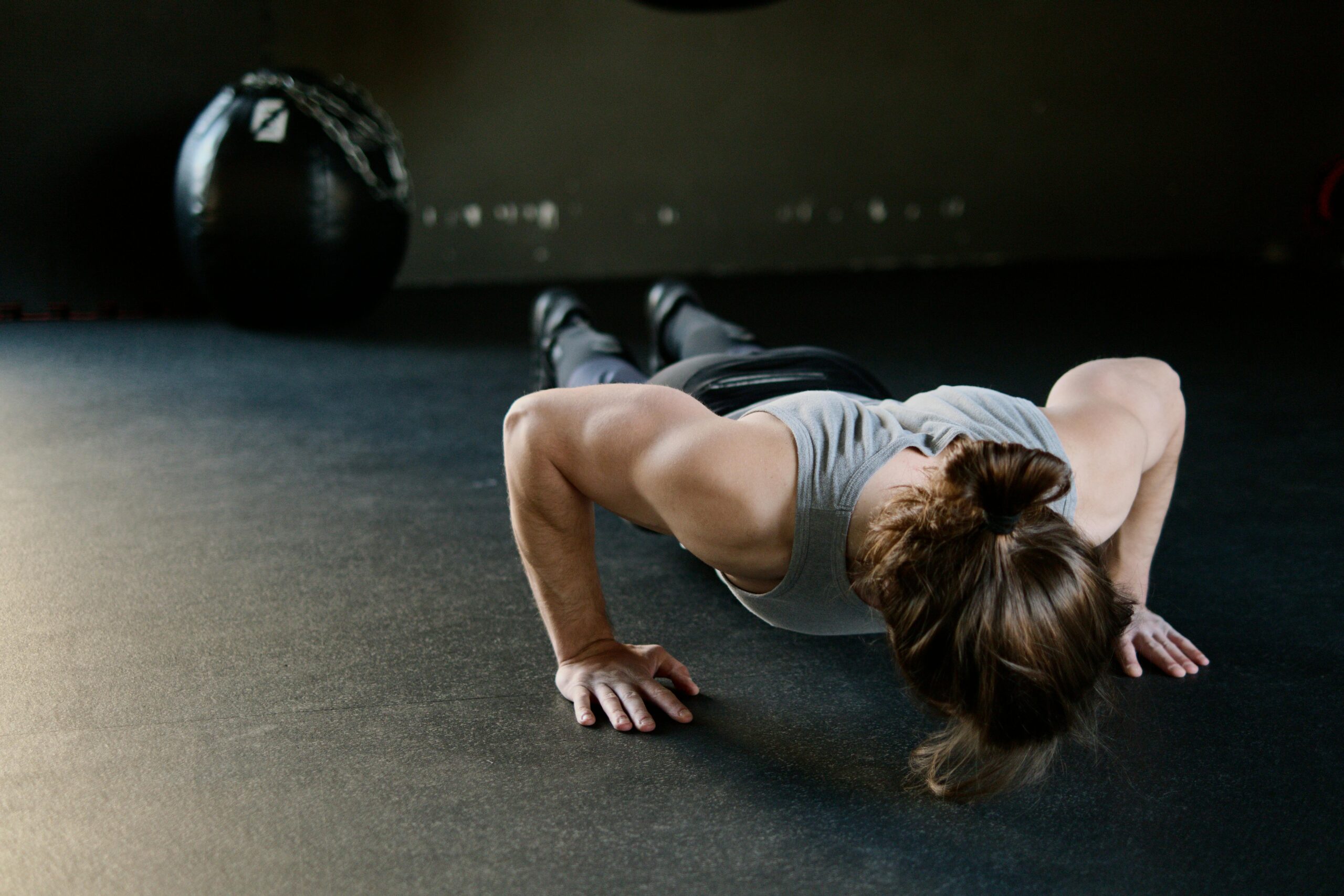
- Sagging hips during push-ups
- Rushed, uncontrolled movements
Fix
Slow down. Fewer reps with better control always win.

4. Doing Too Much, Too Soon
Many beginners overtrain in the first weeks.
Why
Motivation is high, so limits are ignored.
Signs
- Constant soreness
- Extreme fatigue
- Loss of motivation
Progress comes from recovery, not exhaustion.
5. Exercising Every Day Without Rest
Rest days aren’t laziness — they’re part of training.
Why this is a mistake
- Muscles need time to recover
- Daily intensity increases injury risk
For beginners, 3–4 days per week is usually enough.
6. Skipping Cool-Downs and Stretching
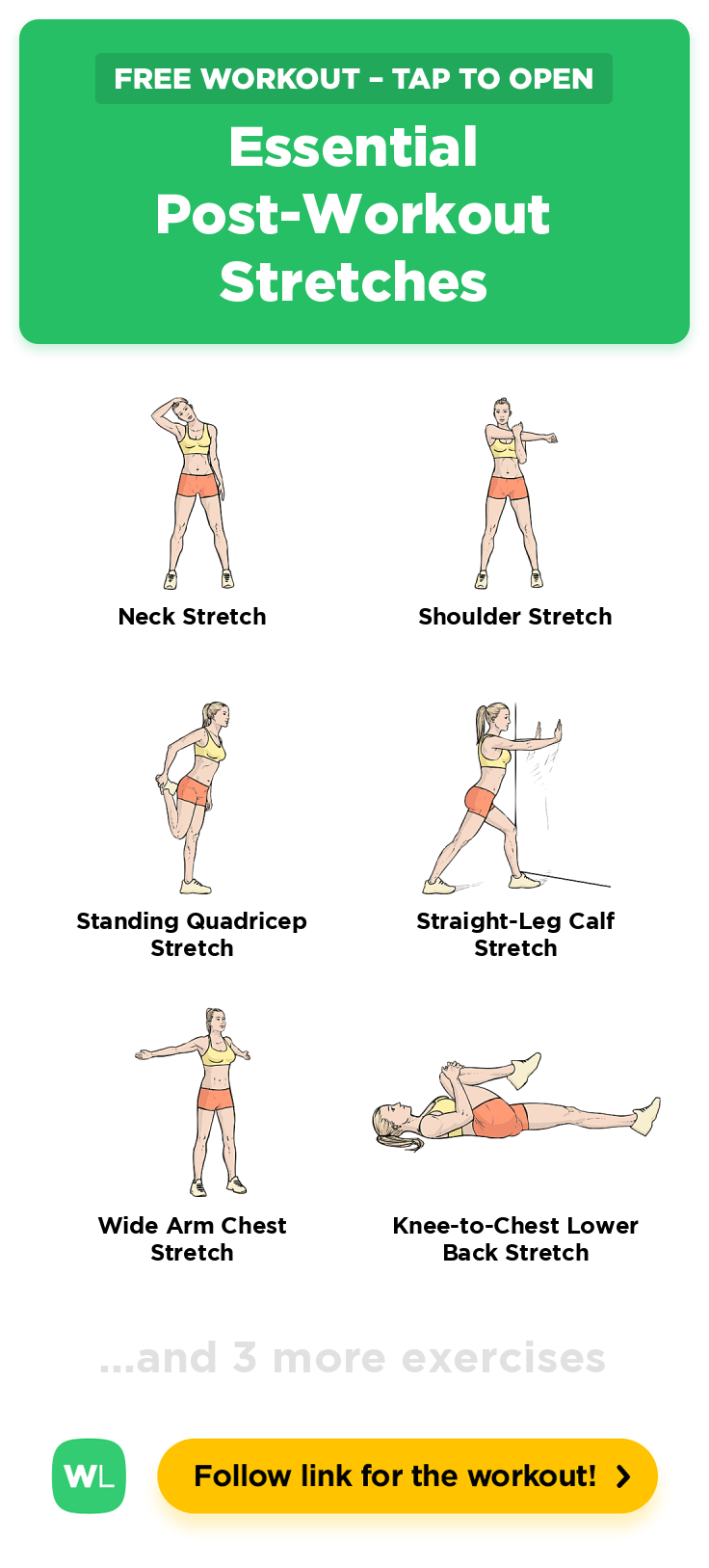
Stopping suddenly after workouts is another common fitness mistake at home.
What happens
- Muscles stay tight
- Recovery feels slower
- Stiffness increases
A few minutes of stretching helps your body settle.
7. Being Inconsistent With Schedule
This is one of the biggest beginner workout mistakes.
Common pattern
- Intense workouts for one week
- No workouts for two weeks
- Restarting repeatedly
Consistency matters more than intensity.
8. Not Following Any Structure
Random workouts often lead to uneven results.
Why structure helps
- Balanced muscle use
- Easier progress tracking
- Less decision fatigue
Even a simple routine repeated weekly works better than random exercises.
9. Expecting Fast Results
Unrealistic expectations are a major beginner fitness error.
Reality
- Strength builds gradually
- Body changes take time
- Progress is not linear
When expectations are realistic, motivation lasts longer.
10. Holding Breath During Exercises
Many beginners forget to breathe properly.
Why it matters
- Holding breath increases tension
- Reduces endurance
Fix
Breathe steadily. Exhale during effort, inhale during easier movement.
11. Copying Workouts Without Modifying Them
Not every routine is designed for beginners.
Better option
- Reduce reps
- Slow down movements
- Remove jumping
Listening to your body is a skill worth developing early.
12. Working Out Too Late at Night
Late-night workouts can affect sleep.
Possible issues
- Difficulty falling asleep
- Restlessness
Earlier evening or morning workouts often work better for beginners.
13. Unsafe Workout Space
Your environment matters more than you think.
Common problems
- Slippery floors
- Cluttered space
- Poor ventilation
A safe space improves focus and reduces risk.

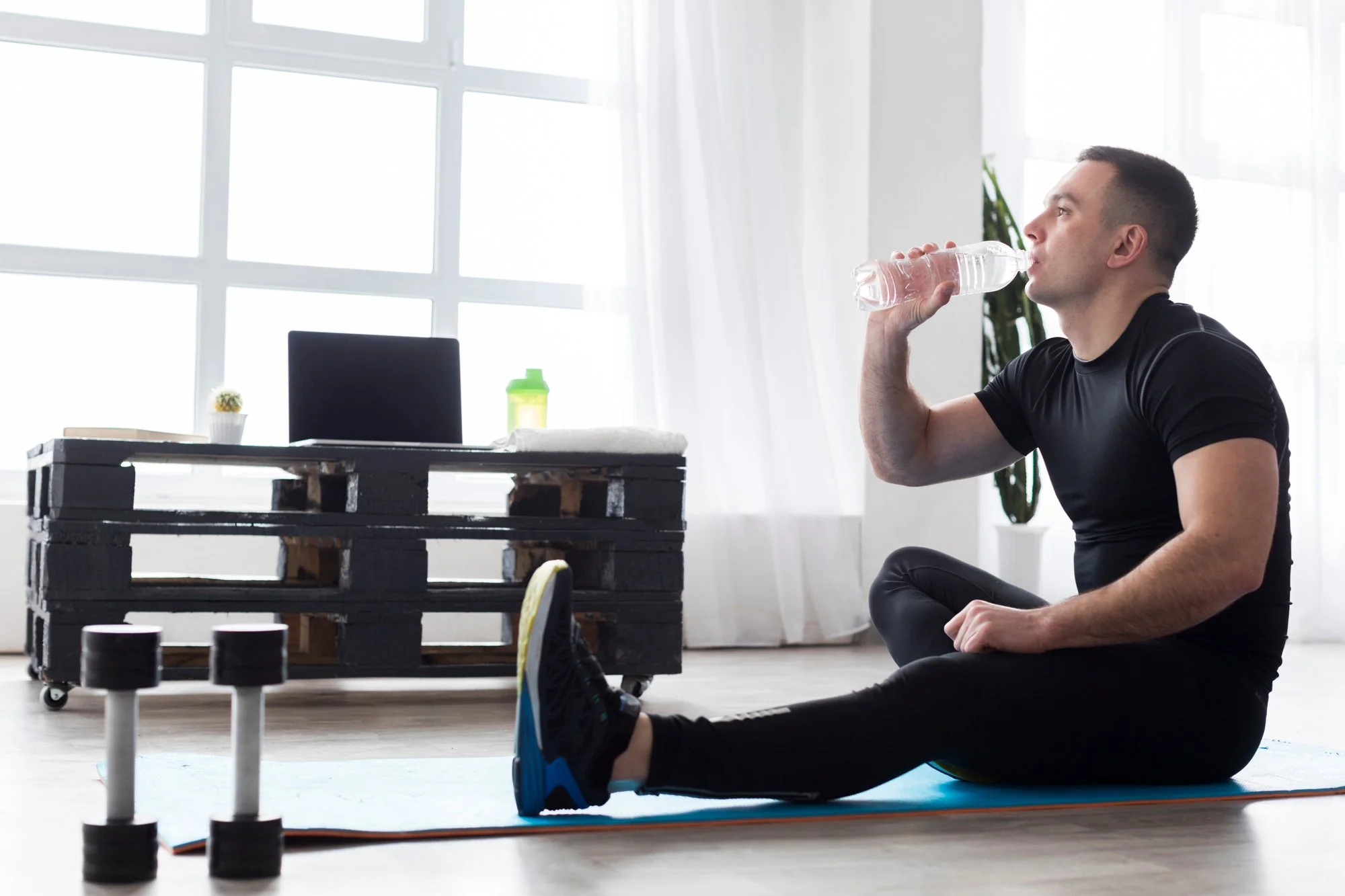
14. Ignoring Hydration and Fuel
This isn’t about dieting — just basics.
Common beginner mistake
- Working out dehydrated
- Exercising on an empty stomach every time
Simple hydration supports performance and recovery.
15. Quitting After Missing a Few Days
This may be the most harmful mistake.
What happens
- Missed days lead to guilt
- Guilt leads to quitting
Better mindset
Missing days is normal. Restart calmly.
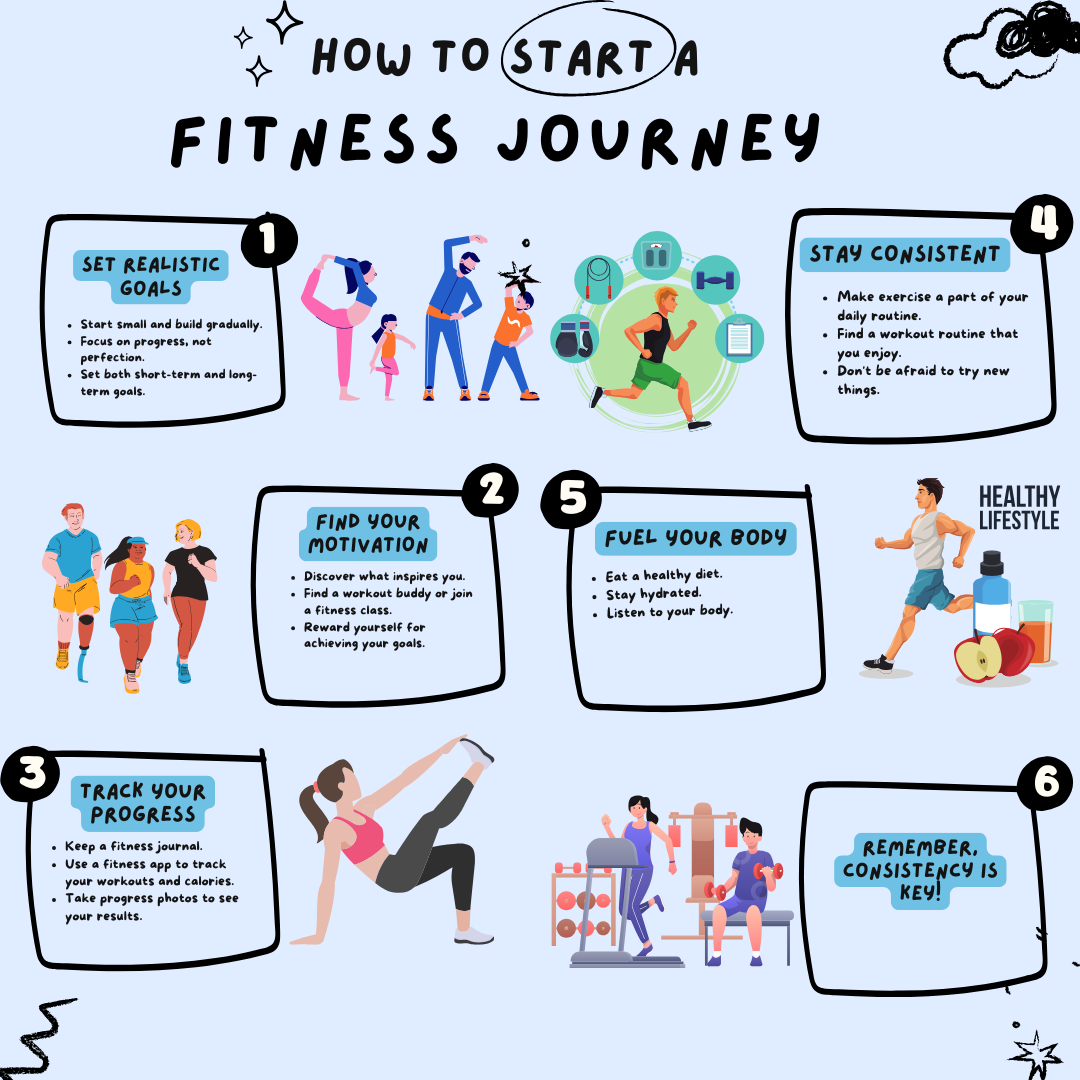
Quick Comparison: Wrong vs Better Approach
| Common Mistake | Better Alternative |
|---|---|
| No warm-up | 3–5 min light movement |
| Daily intense workouts | 3–4 balanced sessions |
| Advanced routines | Beginner-friendly exercises |
| Random workouts | Simple structured plan |
| Quitting after breaks | Restarting gently |
From Real Beginner Experience
Most beginners I’ve seen don’t fail because they lack discipline.
They fail because they:
- Push too hard early
- Feel discouraged by soreness
- Believe they’re “doing it wrong”
When beginners slow down, simplify, and remove pressure, consistency improves naturally.
Fitness doesn’t reward punishment.
It rewards patience and repetition.
How to Avoid These Mistakes Moving Forward
- Start slower than you think you need to
- Focus on form before reps
- Rest without guilt
- Keep workouts short and repeatable
- Treat missed days as normal
You don’t need perfect workouts.
You need workouts you can return to.
- A 7-minute full body workout for busy professionals
- A 20-minute HIIT workout for beginners
- A 10-minute morning workout to boost energy
These pair well with safe home workout habits.
FAQ: Common Beginner Questions
Are home workouts safe for beginners?
Yes, when movements are controlled and beginner-friendly.
How long should beginner workouts be?
15–30 minutes is enough for most beginners.
Is soreness a good sign?
Mild soreness is normal. Constant soreness is not.
Should I follow online workout videos?
Yes, but choose beginner-specific routines and modify when needed.
Optional Products to Support Home Workouts
These are optional but may improve comfort and consistency.
1. Yoga Mat
Provides comfort and grip during floor exercises.
👉 [Amazon Affiliate Link – Yoga Mat]
2. Resistance Bands
Beginner-friendly and easy to store.
👉 [Amazon Affiliate Link – Resistance Bands]
3. Adjustable Dumbbells
Useful when you’re ready to progress slowly.
👉 [Amazon Affiliate Link – Adjustable Dumbbells]
4. Fitness Timer or App
Helps track time and rest intervals.
👉 [Amazon Affiliate Link – Time Blocking Timer]
Remember, equipment is helpful — but not required.
Conclusion: Small Fixes Make a Big Difference
Most home workout mistakes beginners make are small, fixable, and very common.
You don’t need to train harder.
You need to train smarter and calmer.
When you remove pressure, slow down, and focus on consistency, home workouts become safer, more enjoyable, and far more sustainable.
Progress comes from showing up — not from doing everything perfectly.