Introduction: Why This Question Feels So Confusing for Beginners
When people start exercising, one question comes up almost immediately:
“How long should I exercise each day?”
It sounds simple, but it carries a lot of pressure.
Beginners often worry that:
- Short workouts “don’t count”
- Longer workouts are required for results
- Missing days means failure
Busy professionals feel this even more. Long work hours, mental fatigue, family responsibilities, and limited time make exercise feel like another task competing for attention.
From real-life experience, most beginners don’t quit because exercise is too hard.
They quit because they don’t know what’s reasonable, so they either overdo it or stop completely.
This article breaks down how long should beginners exercise in a clear, realistic way—without extreme rules or unrealistic expectations.

What “Exercise Duration” Really Means for Beginners
When beginners ask about workout time, they often imagine one perfect number.
In reality, beginner exercise duration is flexible.
Exercise time includes:
- Strength exercises
- Walking or light cardio
- Stretching and mobility
- Warm-ups and cool-downs
Not every minute needs to feel intense.
Movement that supports consistency is more valuable than long, exhausting sessions.
For beginners, the goal isn’t maximum effort.
It’s regular movement that fits real life.

So, How Long Should Beginners Exercise Each Day? (The Honest Answer)
For most beginners:
15–30 minutes per day is enough.
That range works because it:
- Fits busy schedules
- Allows proper recovery
- Reduces burnout
- Builds long-term consistency
This might feel “too short” compared to what you see online.
But for beginners, shorter workouts are often more effective because they actually get done.
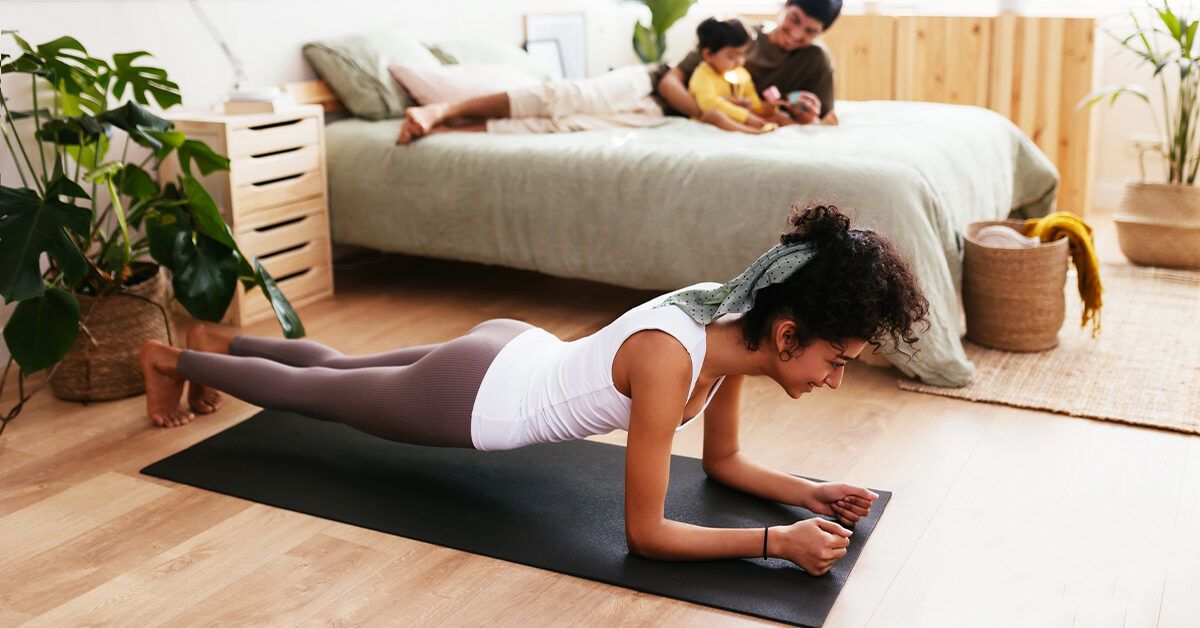
Beginner Exercise Duration Based on Experience Level
If You’re Completely New
- 10–15 minutes
- 3–5 days per week
- Focus on learning movement and comfort
This helps your body adapt without overwhelming it.
If You Have Some Fitness Background
- 20–30 minutes
- 3–4 days per week
- Mix strength and light cardio
This is where many beginners feel challenged—but not drained.
If You’re Returning After a Long Break
- 10–20 minutes
- Slower pace
- Extra rest days
Returning gently helps prevent injury and frustration.
Practical Tips That Actually Help (With Reasons)
Start Shorter Than You Think You Need
Short workouts feel easier to start.
That reduces mental resistance and increases consistency.
People are more likely to repeat a 15-minute workout than a 45-minute one.
Count Warm-Ups and Cool-Downs

Many beginners think these “don’t count.”
They do.
Warm-ups:
- Reduce stiffness
- Improve movement quality
Cool-downs:
- Help recovery
- Reduce soreness
They are part of your exercise time for beginners, not extra work.
Consistency Beats Duration
A short workout done regularly beats long workouts done occasionally.
This is why daily exercise time for beginners should feel sustainable—not heroic.
Listen to Energy, Not Ego
Some days you’ll feel strong.
Some days you won’t.
Adjusting workout time based on energy helps prevent burnout and injury.
From Real Beginner Experience
Many beginners start with ambitious plans: daily hour-long workouts, intense routines, or advanced programs.
What usually happens is soreness, fatigue, and missed days.
The beginners who stick around tend to do something different. They start smaller, forgive missed days, and keep workouts short enough to repeat.
Some days they exercise for 10 minutes. Some days for 25. Some days they skip and return without guilt.
That flexibility—not discipline alone—is what keeps them consistent.
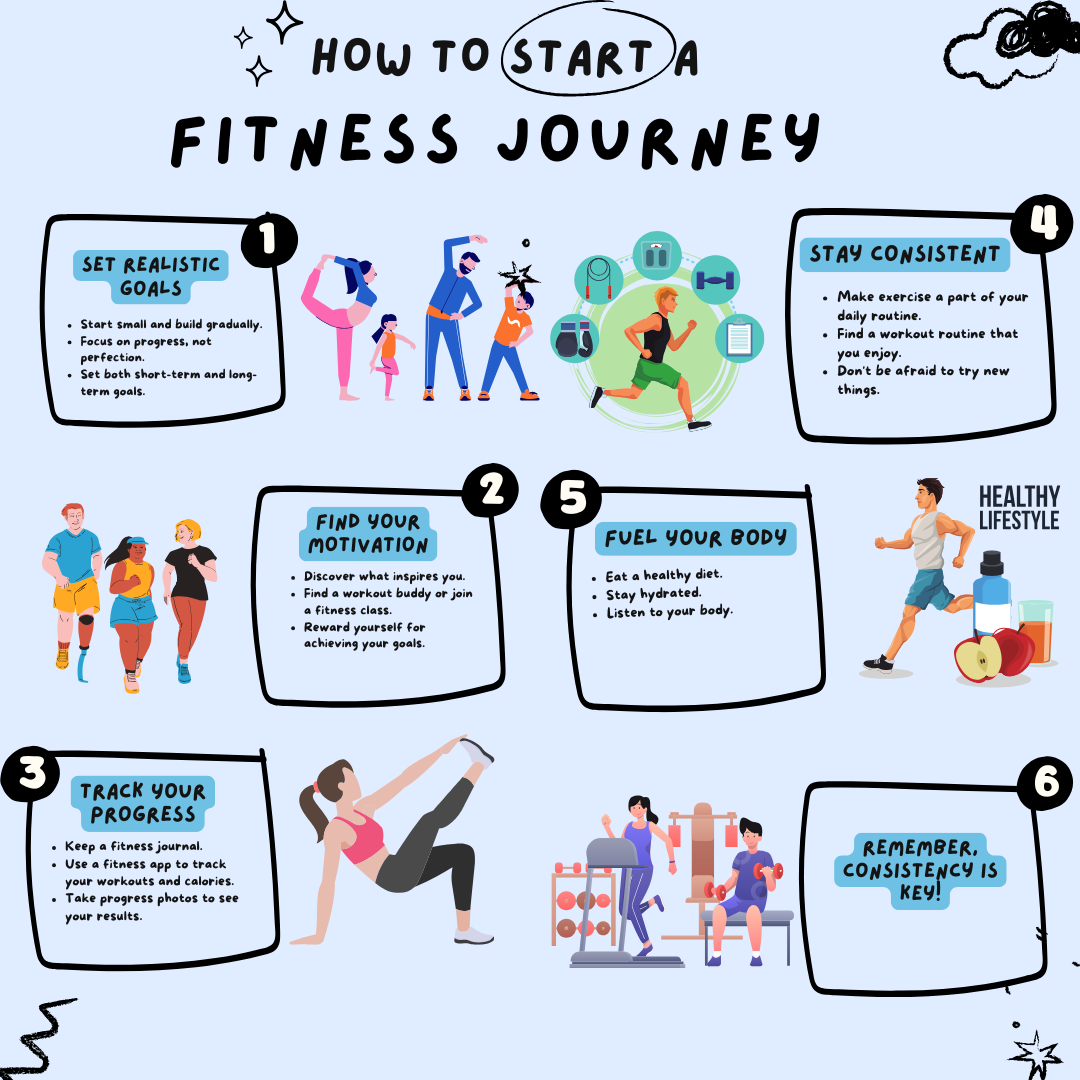
Common Beginner Mistakes About Exercise Time
Mistake 1: Exercising Too Long Too Soon
This often leads to soreness, fatigue, and quitting.
Fix: Start with shorter sessions and build slowly.
Mistake 2: Believing Short Workouts Don’t Work
This belief stops many beginners from starting at all.
Fix: Focus on frequency, not length.
Mistake 3: Trying to “Make Up” Missed Days
Doing extra-long workouts after skipping often backfires.
Fix: Restart calmly with your usual routine.
Mistake 4: Comparing Workout Time to Others
What works for someone else may not work for you.
Fix: Choose a beginner workout duration that fits your life.
Simple Real-Life Scenarios
Busy Office Worker
You get home tired after work. A 15-minute workout feels doable, while a long session feels overwhelming.
Busy Morning
You wake up late. Instead of skipping exercise completely, you do 10 minutes and move on.
Low-Motivation Day
You tell yourself you’ll do “just 5 minutes.” Often, that’s enough to keep the habit alive.
Small Home Space
You don’t have room for equipment or long routines. Short bodyweight workouts fit better.

Something to Explore…
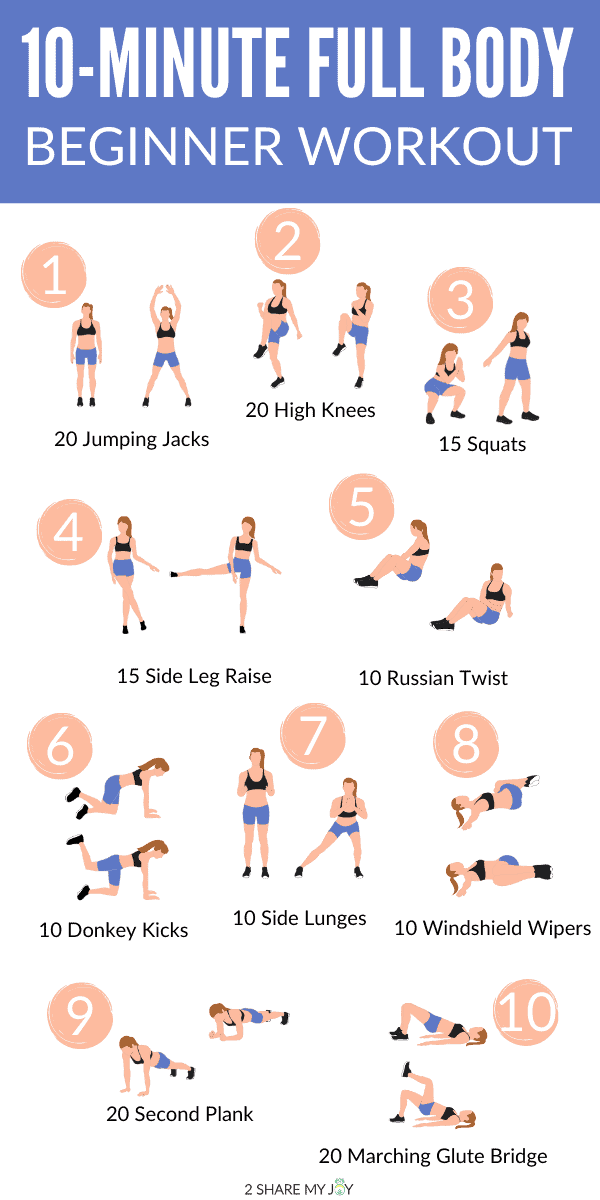
If you’re unsure how to use your time effectively, beginner-friendly routines can help. Many people start with home workouts for beginners because they remove gym pressure.
Short options like a 7-minute full body workout are useful on busy or low-energy days.
If you want to buy workout gear, best home workout gear for beginners can reduce decision fatigue and make consistency easier.
Optional Helpful Gear (Only If Useful)
You don’t need equipment to exercise effectively.
Some beginners find these helpful:
- A yoga mat for comfort and grip
👉 Boldfit Yoga Mats for Women and Men - Resistance bands for gentle strength training
👉 Fashnex Resistance Bands Set for Exercise, Stretching and Workout Toning
These are optional—not required.
FAQ: Real Beginner Questions
Is 10 minutes of exercise enough for beginners?
Yes. Especially when starting out or on busy days.
Should beginners exercise every day?
Light movement daily is fine. Intense workouts should include rest days.
Is longer exercise always better?
No. Longer workouts often reduce consistency.
Can beginners split workouts into smaller sessions?
Yes. Two short sessions can be just as effective.
Conclusion: Start Small Enough to Continue
If you’re wondering how long should beginners exercise, the most honest answer is:
Short enough that you can do it again tomorrow.
You don’t need perfect routines or long sessions.
You need workouts that fit your energy, schedule, and life.
Some days you’ll do more.
Some days you’ll do less.
What matters is that exercise feels returnable, not intimidating.
That’s how beginners turn effort into a lasting habit.