
Introduction: Why Fitness Feels Hard When Life Is Busy
If you work long hours, sit most of the day, and come home mentally drained, exercise can feel like one more thing on an already full plate.
Most beginners don’t skip workouts because they don’t care about health.
They skip because traditional fitness advice doesn’t fit real life.
Long routines, complicated plans, and “no excuses” motivation sound good online — but they rarely survive busy workdays, traffic, family duties, and low energy.
That’s where a 7-minute full body workout earns its place.
Not as a magic solution.
Not as a replacement for everything else.
But as something small enough to do consistently — even on days when motivation is low.
What a 7-Minute Full Body Workout Really Is
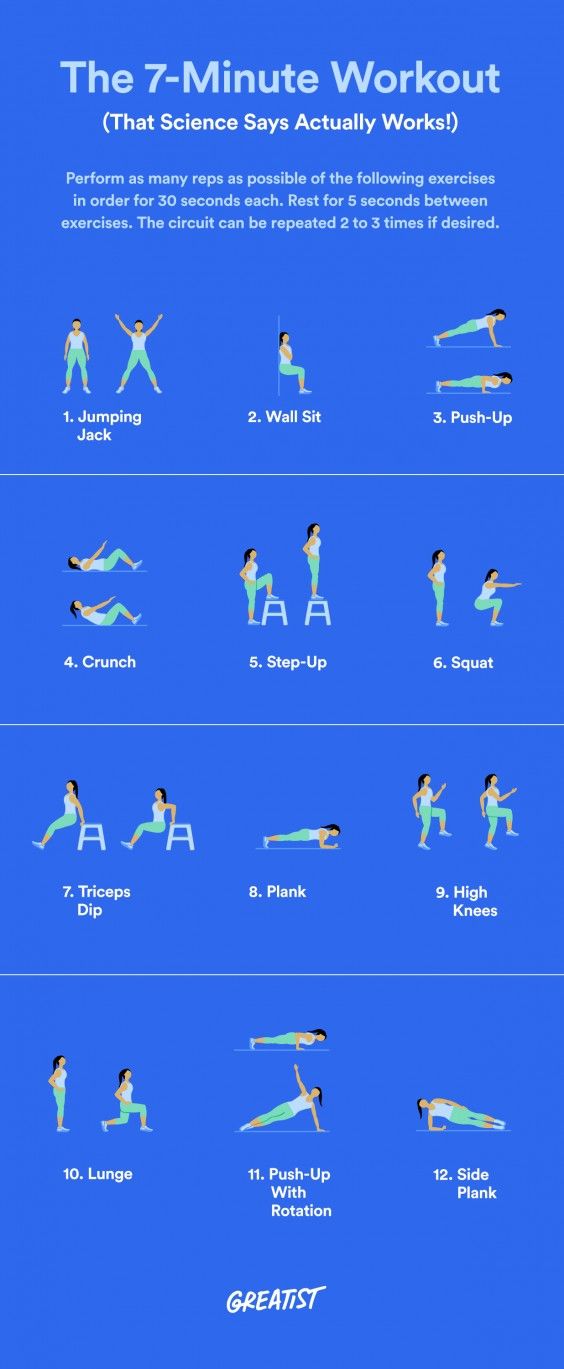
In simple terms, a 7-minute full body workout is a short sequence of basic movements that gently engage your:
- Legs
- Upper body
- Core
- Joints and circulation
It uses bodyweight only, requires no setup, and can be done at home in a small space.
This kind of routine works best when you:
- Move slowly
- Focus on control
- Don’t rush the clock
For beginners, the biggest benefit isn’t intensity — it’s showing up regularly.
Why Short Workouts Make Sense for Busy Professionals
Short workouts are often dismissed as “not enough.”
But for beginners and office workers, they solve a very real problem: inconsistency.
Here’s why they work in real life:
- They lower the mental barrier to starting
- They fit between work and personal responsibilities
- They reduce all-or-nothing thinking
- They make restarting easier after breaks
A quick workout for busy professionals isn’t about doing less forever.
It’s about building a habit that doesn’t collapse under pressure.
Who This Workout Is (and Isn’t) For
This routine is a good fit if you:
- Sit for long hours at work
- Are new to exercise
- Feel tired after office hours
- Prefer home workouts
- Want something simple and repeatable
It may not be ideal if you:
- Are training for performance goals
- Prefer long, high-intensity workouts
This is about starting and staying consistent, not pushing limits.
A Realistic 7-Minute Full Body Workout (No Equipment)
This example is designed for beginners.
Move at a pace where you can still breathe comfortably.
Total Time: ~7 minutes
1. Marching in Place – 1 minute
Stand tall and lift one knee at a time.
Swing your arms naturally.
- Keep chest up
- Don’t rush
- This is your warm-up, not cardio training
2. Bodyweight Squats – 1 minute
Stand with feet shoulder-width apart.
Push hips back like sitting on a chair.
- Keep heels on the floor
- Chest stays upright
- If depth feels hard, squat halfway
Slow, controlled movement matters more than reps.
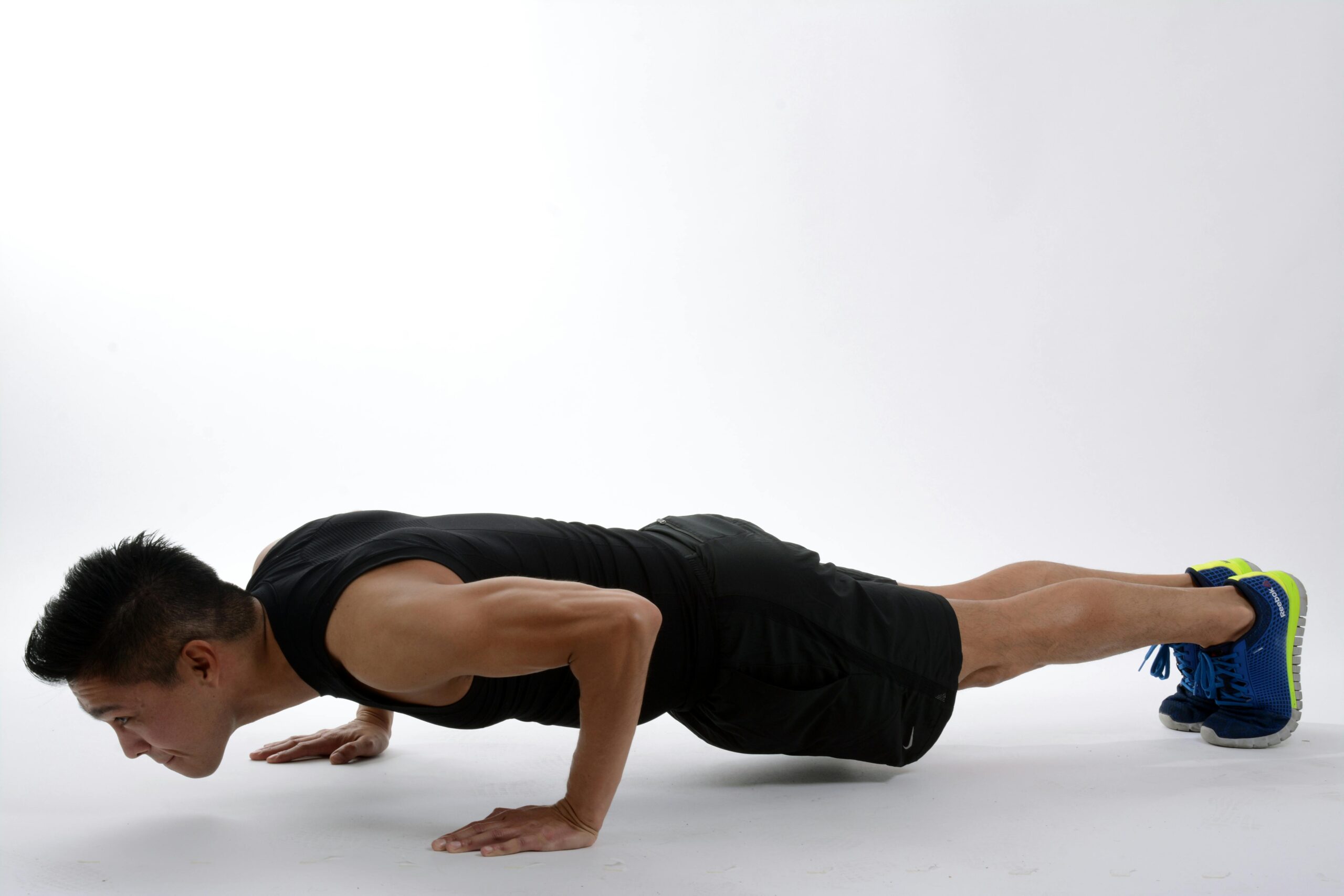
3. Wall or Knee Push-Ups – 1 minute
Use a wall or knees for support.
- Keep body in a straight line
- Lower slowly
- Don’t let hips sag
If form breaks, pause. That’s not failure — it’s awareness.
4. Standing Knee Lifts – 1 minute
Lift one knee toward your chest at a time.
- Move slowly
- Avoid swinging
- Hold a chair or wall if balance feels off
This gently engages your core.
5. Arm Circles or Shoulder Rolls – 1 minute
Release tension from desk work.
- Small, controlled circles
- Relax your shoulders
- Breathe normally
6. Glute Bridges – 1 minute
Lie on your back, knees bent, feet flat.
- Squeeze glutes
- Lift hips slowly
- Pause briefly at the top
Lower with control.
7. Slow Breathing or Gentle Stretching – 1 minute
Slow your breathing.
Let your body settle.
Some days this will feel easy.
Some days it won’t.
Both are normal.
Practical Tips That Actually Help You Stick With It
Do It Even on Low-Energy Days
Often, energy comes after movement — not before it.
Tell yourself you’ll do just one minute.
Most days, you’ll finish the rest.
Don’t Try to Make It Harder Too Soon
A common beginner mistake is upgrading intensity before building consistency.
Repeating a simple routine for weeks is more valuable than chasing variety early.
Attach It to Something You Already Do
Examples:
- After logging off work
- Before your evening shower
- Right after waking up
This removes decision fatigue.
From Real Beginner Experience
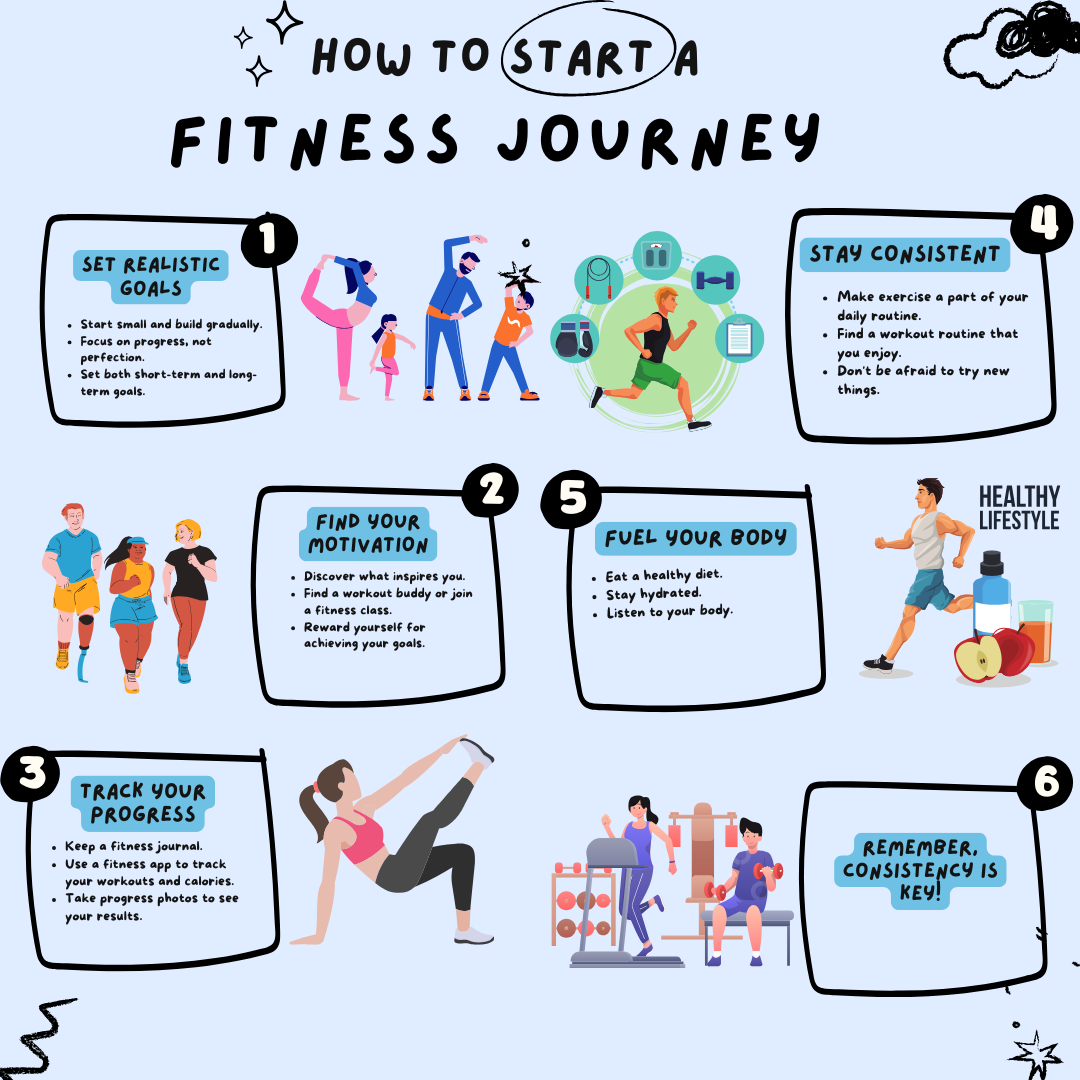
Many beginners start with big plans and strong motivation — and stop when life gets messy.
Short routines feel less intimidating. Knowing it’s “just 7 minutes” removes pressure and guilt.
Another common experience is restarting. People stop for a few days, feel bad about it, and then avoid exercise entirely. Short workouts make restarting feel possible, not overwhelming.
Progress doesn’t show up as dramatic transformation.
It shows up as:
- Less resistance to starting
- Better comfort with movement
- Fewer skipped weeks
That’s real progress.
Common Mistakes and Misconceptions
- “7 minutes isn’t enough to matter.”
For beginners, consistency matters more than duration. - “I need equipment to see results.”
Bodyweight movements are enough at the start. - “Missing a day means I failed.”
Missing days is normal. Quitting is optional. - “Short workouts are for lazy people.”
They’re for realistic people with full lives.
If You Stop for a While (And Most People Do)
Almost everyone takes breaks from exercise.
Work deadlines, travel, illness, stress — it happens.
What matters isn’t avoiding breaks.
It’s how you restart.
If you stop:
- Don’t punish yourself
- Don’t “make up” missed workouts
- Don’t jump into intense routines
Just return to the same 7-minute workout.
Move slower than before if needed.
Even showing up for 3 minutes is better than quitting again.
Fitness isn’t about never stopping.
It’s about restarting without guilt.
FAQ: Real Beginner Questions
Is a 7-minute full body workout enough?
For beginners, it can be a good starting point. It helps build consistency and comfort with movement.
How often should I do it?
3–5 days a week works well for most people.
Can I repeat it twice?
You can, if you feel comfortable. It’s not required.
Do I need perfect form?
No. Focus on safe, controlled movement and gradual improvement.
What if I don’t feel motivated?
Start anyway. Motivation often follows action.
Internal Resources From GetFitLifePro
To stay consistent, variety helps. You may find these helpful:
- A Full Body Workout at home without equipment
- A 20-minute HIIT workout for beginners
- A 10-minute morning workout to boost energy
These routines are easy to mix into your weekly plan.
Optional Products to Support Your Home Workouts
These items are optional but may make workouts more comfortable.
1. Yoga Mat
Provides comfort and grip during floor exercises.
👉 [Amazon Affiliate Link – Yoga Mat]
2. Resistance Bands
Beginner-friendly and easy to store.
👉 [Amazon Affiliate Link – Resistance Bands]
3. Adjustable Dumbbells
Useful when you’re ready to progress slowly.
👉 [Amazon Affiliate Link – Adjustable Dumbbells]
4. Fitness Timer or App
Helps track time and rest intervals.
👉 [Amazon Affiliate Link – Time Blocking Timer]
Remember, tools help — but consistency matters more.
Conclusion: Keep It Small, Keep It Real
A 7-minute full body workout won’t change everything overnight — and it doesn’t need to.
What it can do is:
- Keep you moving on busy days
- Reduce pressure around fitness
- Make exercise feel manageable
Some days you’ll finish all 7 minutes.
Some days you won’t.
Showing up still counts.
Consistency isn’t about perfection.
It’s about continuing — even when life gets in the way.
Pingback: How to Start Exercise After Office Hours: A Simple, Beginner-Friendly Guide for Busy Professionals
Pingback: Home Workouts for Beginners: The Complete, Simple & Practical Guide to Get Started at Home
Pingback: Beginner Home Workout Plan (No Equipment): A Simple, Effective Guide to Get Fit at Home
Pingback: Common Home Workout Mistakes Beginners Make: 15 Easy Errors to Avoid for Safer, Better Results
Pingback: What Mental Fitness for Busy Professionals mean? (And Why It Matters More Than You Think)
Pingback: How to Design a Healthy Lifestyle as a Beginner (Without Feeling Overwhelmed)
Pingback: How Long Should Beginners Exercise Each Day? A Realistic, Beginner-Friendly Guide